
Empowering Farmers in Dry-land Areas Through Chili Cultivation
Why Chili Cultivation?
The Benefits of Chili Cultivation
- High Economic Value
Chili often experience significant price increases in the market, allowing farmers to substantially increase their income. - Fast Return on Investment
Chili plants have a relatively short growing cycle, enabling farmers to recover and reinvest their capital more quickly.
- Stable Market Demand
Chili is an essential ingredient in everyday Indonesian cuisine, ensuring consistent and reliable market demand. - Multiple Harvests
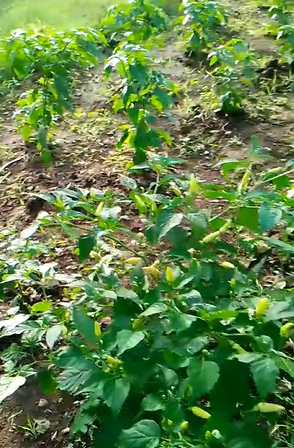
A single chili plant can be harvested repeatedly over one growing season before it needs to be replanted.
Growing chili on fertile land is common. But growing them on dry, barren land? That is a far greater challenge! Many people believe that dry-land is unsuitable for chili cultivation. In reality, with the right techniques and proper land management, even arid land can be transformed into highly productive farmland.
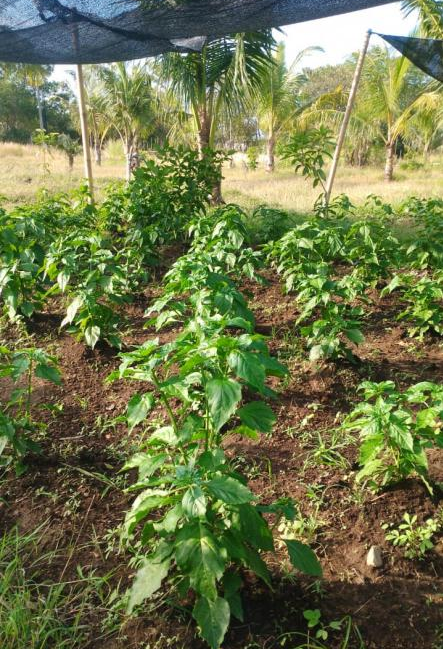
Cultivating chili in dry-land offers several important advantages. It significantly reduces the risk of fungal diseases caused by standing water while providing farmers in areas with limited irrigation access an opportunity to generate higher-value income and improve their livelihoods.
Unlike many other crops, chili plants are highly susceptible to root rot and crop failure when their roots remain waterlogged for extended periods. Dry-land typically provides excellent natural drainage, greatly reducing the risk of root rot, fusarium wilt, and other soil-borne fungal diseases compared to cultivation on flooded agricultural land during the rainy season.
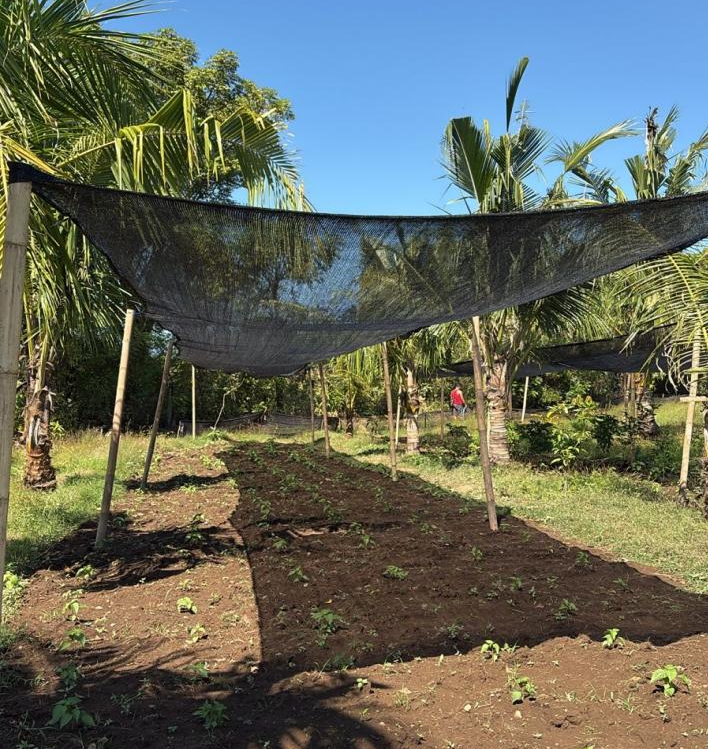
Dry-land is often underutilized and depends solely on seasonal rainfall. However, with appropriate agricultural practices—such as constructing raised planting beds enriched with organic fertilizer—even barren land can be transformed into a productive and sustainable chili farming area.
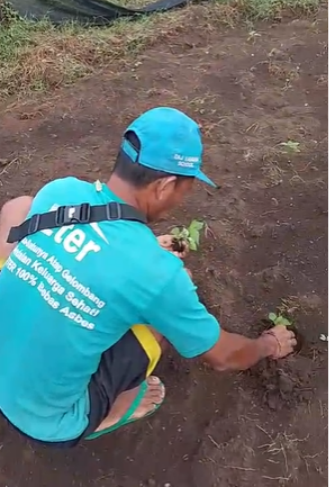
For many years, dozens of families in Datah Village, Karangasem, Bali, have relied solely on rain-fed agriculture. Limited water availability and barren land have kept many farming households in poverty. Recognizing the area's potential, Damara Bali Foundation initiated a pilot chili cultivation project and is providing intensive mentoring to a local farmer. The objective is to develop a successful model for growing chili peppers on dryland, demonstrating practical cultivation techniques that can later be adopted by other farmers throughout the community.
Through this program, farmers are expected to cultivate chili peppers consistently while reducing production costs by up to 40% through the independent production of organic fertilizer made from livestock manure. With every harvest cycle, farmers are expected to generate significantly higher net profits compared to their previous income as daily agricultural laborers. Ultimately, this initiative aims to improve household income, strengthen economic resilience, and enhance the overall well-being of farming families in the community.
Your support helps us empower communities through sustainable programs that create lasting impact.
Badung, Jul 7th, 2026
Director of Damara Bali Foundation
I Nengah Swikrama